
Schools face a genuine tension here. A door has to resist unauthorized entry, but it also has to allow instant exit, stay compliant with fire code, remain accessible to students and staff with disabilities, and let first responders in during an emergency. Get one of those wrong and the "secure" door becomes a liability instead of a safeguard.
This guide breaks down the main device categories, explains what separates a tested security claim from a marketing claim, and walks through the factors schools should evaluate before specifying or replacing classroom door hardware.
Key Takeaways
- Classroom door security works as a system of compatible parts, not a single lock or barricade.
- Devices must deliver interior locking, one-motion exit, authorized entry, and code compliance together.
- Closers, prop alarms, mechanical locks, and electronic access control solve different problems—and are often combined.
- Choose the mix based on your door and frame, procedures, budget, and AHJ sign-off.
What Classroom Door Security Devices Are and Why They Matter
Classroom door security devices are products that close, monitor, lock, release, or control access through a classroom opening. They're distinct from broader campus security layers like cameras, visitor-management software, or mass-notification systems. Those systems support the building. Door hardware secures the actual opening.
Done well, a classroom door contributes to layered security: it delays unauthorized entry long enough for staff to respond, while still preserving a clear path out and a way for authorized personnel to get in.
Where Classroom Doors Commonly Fail
Most classroom door vulnerabilities aren't dramatic. They're mundane:
- A door propped open with a wedge or trash can during class changes
- A lock that only engages from the hallway, leaving the room unsecurable from inside
- No visible indicator of whether a door is actually locked
- Hardware that's incompatible with the door's fire label or frame prep
- A "security" device that blocks the exit path it's supposed to protect
Any one of these can undo an otherwise sound security plan.
Forced-Entry, Fire, and Access Control Are Not the Same Claim
A product tested for forced-entry resistance doesn't automatically meet fire-code requirements, and a fire-rated door isn't automatically resistant to a determined intruder. These are separate, independently tested performance categories:
- Forced-entry resistance measures how long an assembly delays a defined attack
- Ballistic resistance measures performance against specified gunfire, tested under standards like UL 752
- Fire protection measures fire performance under NFPA fire door requirements; doors must close and latch, or close automatically
- Access control / lockdown measures who can enter and how the door secures during an incident
Treat these as separate questions when you're comparing products, not interchangeable buzzwords on a spec sheet.
Types of Classroom Door Security Devices
No single device covers every objective. Schools typically select from three categories based on their opening conditions, security goals, and emergency procedures.
Door Closers, Door Holders, and Door-Prop Alarms
A mechanical door closer returns a door to the closed position after it's opened. On fire-rated openings, this isn't optional. Door holders or electromagnetic release devices can hold a door open during normal school hours and release it automatically when a fire alarm or life-safety command triggers.
Door-prop alarms work differently. They monitor a door's position and alert staff when it's stayed open longer than an allowed interval. They're useful for catching the propped-open door nobody noticed, but they cannot replace a compliant lock or closer.
Trade-offs to weigh:
- Better visibility into propped-open doors versus the risk of false alarms
- Maintenance and battery or wiring requirements
- Fire-alarm coordination so hold-opens release on smoke detection, not only on a schedule
Any holder, release, or alarm you add needs to be evaluated for its effect on evacuation, accessibility, and the door's fire rating, not just its convenience.

Mechanical Classroom Locks and Exit Hardware
This category includes classroom-function locksets, mortise locks, panic and fire exit devices, and other mechanical hardware. The naming here trips people up constantly: an "F05 classroom function" lock and an "F32 classroom-security function" lock sound similar but behave differently, so the exact function must be specified, never assumed from a product name alone.
When evaluating mechanical hardware, ask:
- Can the door lock from inside without staff having to step into the hallway?
- Does the outside require a key or credential, and who holds it?
- Is lock status visible at a glance, or does someone have to test the handle?
- Can occupants exit in one motion, without a key, tool, or special knowledge?
Mechanical locks are simple, reliable, and don't depend on power. Their weak point is key management: lost keys, rekeying costs, and the need for every substitute teacher to know how the device works.
A word of caution: improvised wedges, floor brackets, and barricade-style add-ons are not a default recommendation. Unless a qualified security or hardware professional and your authority having jurisdiction (AHJ) have confirmed a specific product is lawful, accessible, and compatible with your building's egress and fire requirements, skip it.
These products frequently violate the same codes they're meant to help schools satisfy.
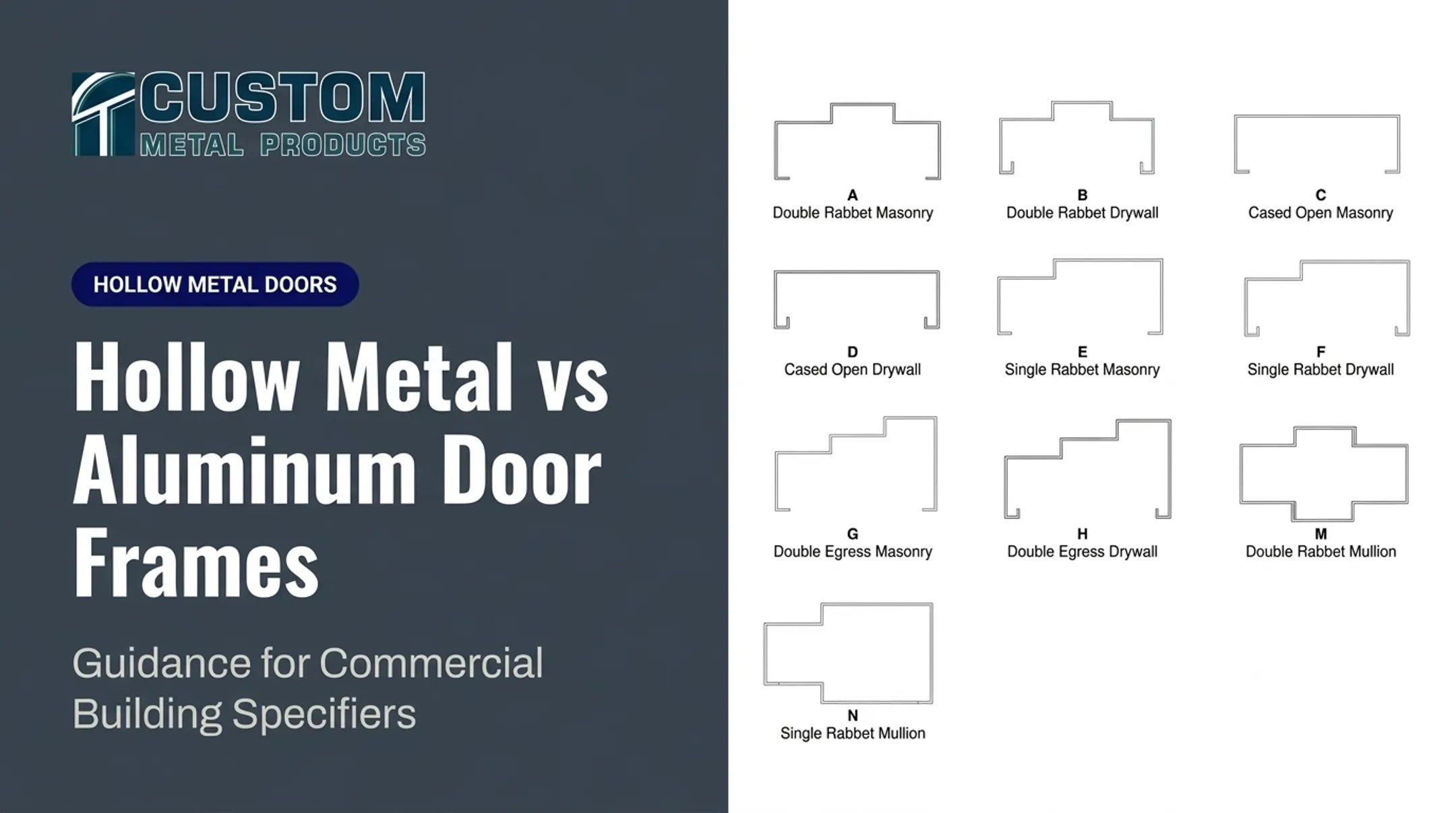
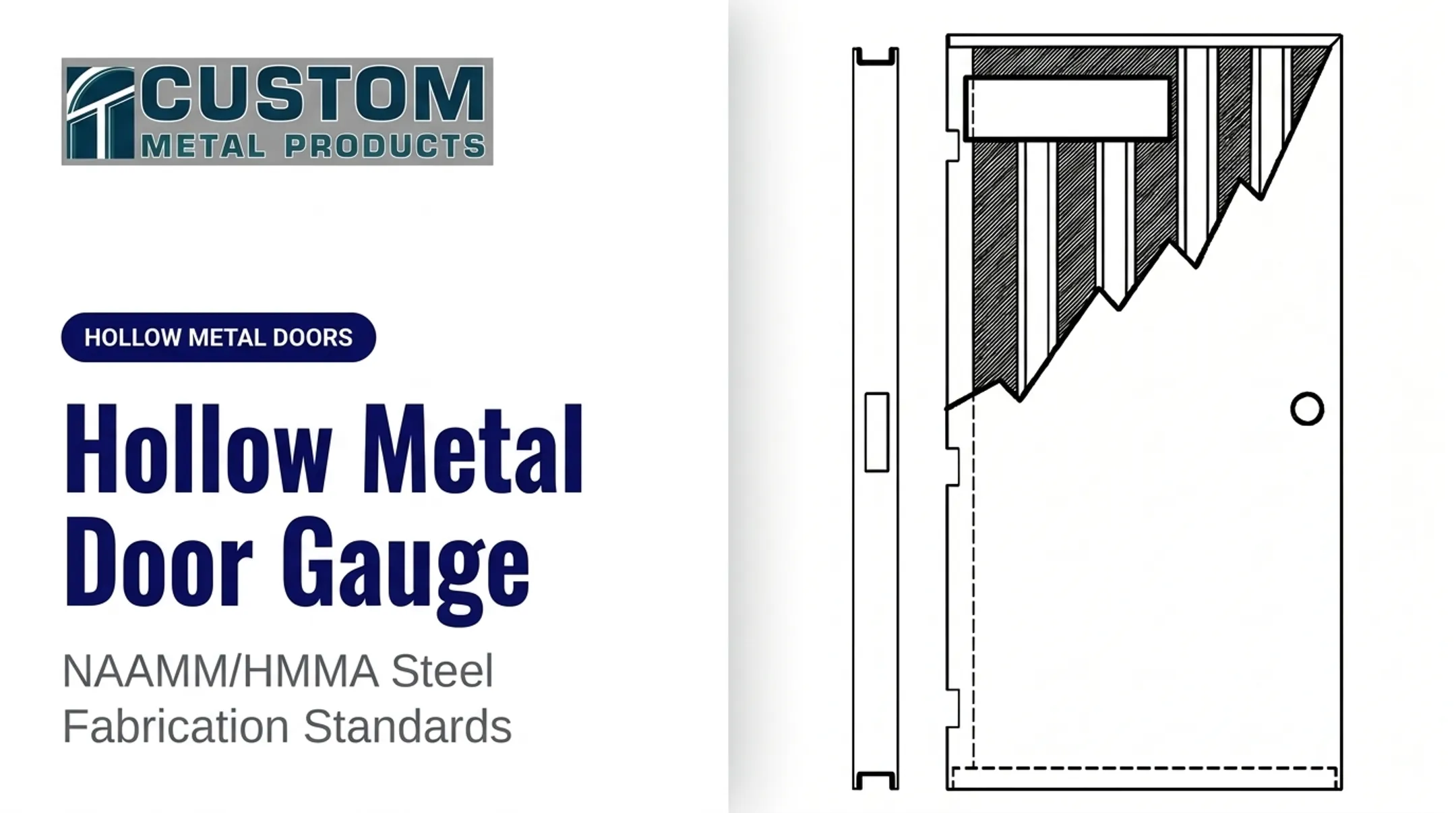
Door and frame compatibility matters just as much as the lockset. A hollow metal door manufactured for fully templated mortised hardware, with proper hinge and lock-face reinforcement built in at the factory, gives installers a clean prep to work from instead of a field retrofit that weakens the assembly.
Electronic Access Control and Lockdown Components
Electrified locks, card or fob readers, emergency lockdown switches, annunciators, power supplies, and central controllers let a school coordinate access and monitor door status from a single system. Depending on configuration, these components can support scheduled locking, selective lockdown of specific wings, remote status monitoring, and controlled entry for administrators or first responders.
The trade-offs are real:
- Installation complexity and wiring costs
- Dependence on network connectivity and power
- Cybersecurity and credential administration overhead
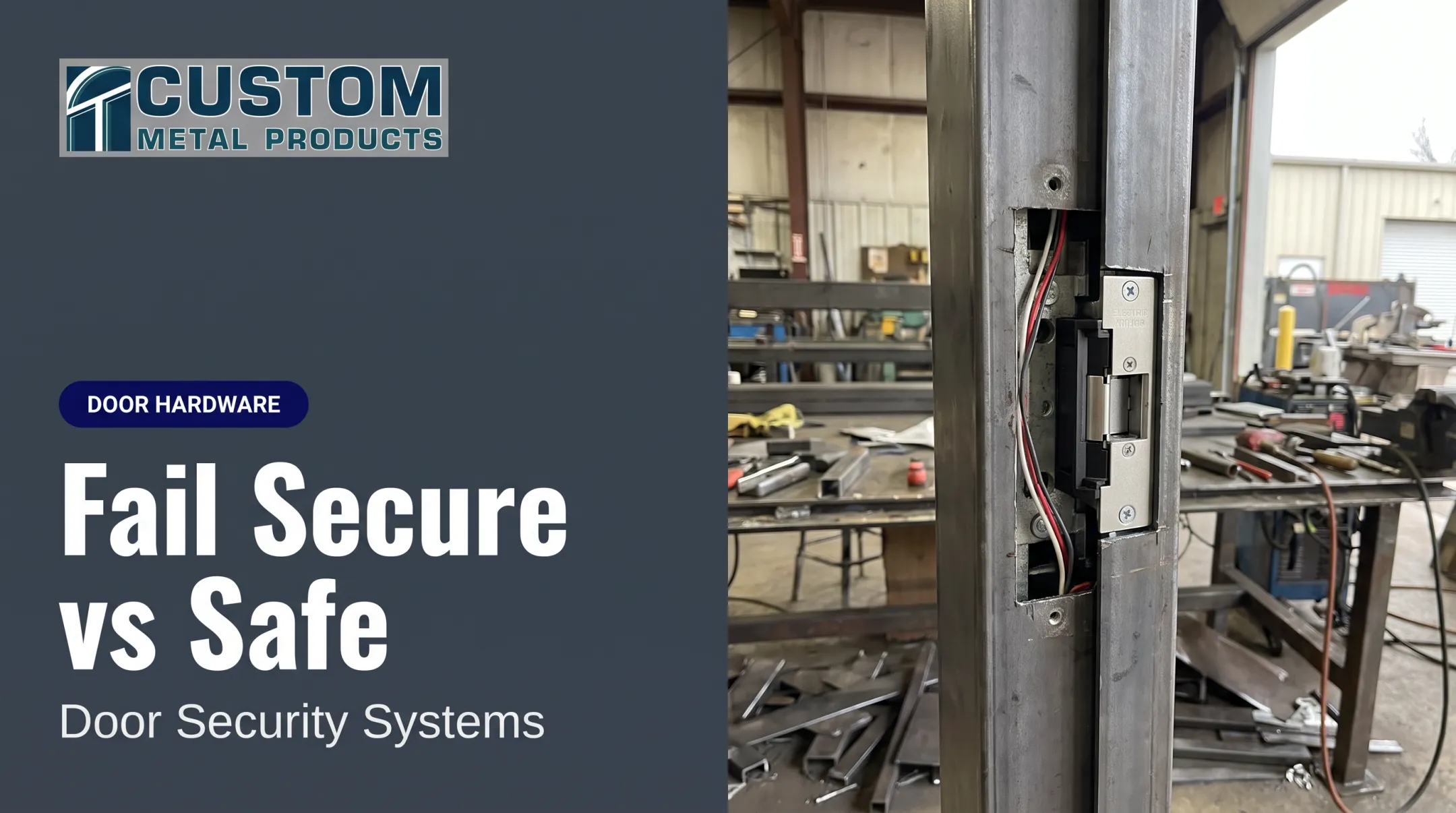
- Fail-safe versus fail-secure behavior on power loss
Fail-safe hardware unlocks its controlled side when power drops; fail-secure hardware stays locked on that side. These terms describe the outside locking state, not whether occupants inside can still exit. Neither label, by itself, tells you whether the classroom side still opens freely; that has to be verified for the specific device.
Electronic systems still depend on the physical opening underneath them. A high-performing electrified lock cannot compensate for a warped door, a damaged frame, loose hinges, or glazing that doesn't match the assembly's fire listing.
How to Choose the Right Classroom Door Security Device
The right device comes from your school's risk assessment, procedures, and existing openings — not from whichever product has the most features or the highest price tag.
Start by naming your primary objective. Are you trying to:
- Keep doors reliably closed during the school day?
- Enable fast interior lockdown?
- Control who has authorized entry?
- Monitor door status remotely?
- Resist forced entry for a defined period?
- Support a building-wide lockdown protocol?
Most schools need a combination of these, not just one.
Evaluate the Opening Before the Hardware
Before specifying any device, look at what you're actually working with:
- Door material and thickness
- Frame type and fire label
- Glazing size and rating
- Hinge condition and closer function
- Strike preparation and available power
- Whether the opening is single-leaf or a double-egress pair
Double-egress pairs, common in corridors, often can't accept the same locks, latches, or deadbolts used on single classroom doors — fire exit hardware is typically the only permitted option there. That's a design constraint, not a hardware preference.

Match Daily Use and Emergency Function
Consider how the door gets used every single day: student traffic, substitute-teacher access, after-hours community use, cleaning crews, deliveries. Hardware that's inconvenient for daily use gets propped open or defeated, which erases whatever security benefit it was supposed to add.
At the same time, verify emergency behavior:
- One-motion exit, every time
- Interior locking that doesn't require a key
- Authorized exterior override for staff or responders
- Visible lock status
- Predictable behavior during a fire alarm or power failure
Where Custom Metal Products Fits
Once daily use and emergency function are clear, the opening itself still has to support the hardware you specify. Schools, architects, and installers replacing or modifying openings need the door and frame underneath to match the device—not the other way around.
Custom Metal Products manufactures custom hollow metal doors and frames, including UL-labeled fire-rated assemblies built to NAAMM/HMMA procedures, with factory reinforcement for templated mortised hardware. Typical security-upgrade needs include:
- Modified frame prep for specified locks or exit devices
- Fire-rated pairs and custom-sized openings
- Configurations checked against project specs before fabrication
Custom Metal Products does not supply every lock, alarm, or access control component. The door and frame still need to be right first, or hardware installed on them will not perform as tested.
What to Check Before Finalizing a Classroom Door Security Device
A few verification steps before you order can save a failed inspection or, worse, a device that fails when it's actually needed.
Confirm code compliance. Check your locally adopted building and fire codes, NFPA provisions, accessibility rules, and any state-specific classroom-locking requirements.
The 2024 International Building Code permits specified educational-room security locking only while preserving inside opening, authorized outside unlocking, and without unauthorized modification of listed panic hardware or closers. Confirm the adopted edition with your AHJ—code adoption varies by state and even by district.
Match listings to the actual assembly. A product's fire label, testing, and certifications need to match the opening it's installed on, not just the general door type. This includes glazing size limits on rated doors, hardware function, and manufacturer installation instructions.
Verify egress, separately from entry. The device should never require a key, tool, special knowledge, or tight grasping, pinching, or twisting to exit. Confirm authorized entry separately.
Test failure scenarios before deployment:
- Fire alarm activation — confirm free egress still works as required
- Power loss or network outage — verify mechanical exit is unaffected
- Failed credential or dead battery — ensure occupants can still leave
- Propped or unlatched door — check the device still secures the opening
- Substitute teacher unfamiliar with the device — confirm operation is obvious without special training

Don't buy on price, familiarity, or marketing alone. Require evidence for any forced-entry or ballistic claim, and confirm exactly what the product was tested to resist.
Plan the rollout. Hardware alone is not enough. Cover:
- Written lockdown and unlock procedures
- Staff training and substitute-ready instructions
- Drills and defined inspection intervals
- A process for reviewing false alarms or incidents
Conclusion
Effective classroom door security depends on several parts working together: appropriate hardware, a compatible door and frame, clearly defined emergency functions, compliant egress, and procedures your staff actually follow.
Key pieces of that system include:
- Closers and prop alarms that keep doors closed
- Mechanical and electronic locks that control access
- Integrated components that tie individual openings into a broader lockdown plan
Before ordering anything, verify requirements with qualified security, hardware, fire-life-safety, and accessibility professionals — and with your AHJ. For projects involving custom commercial openings, a manufacturer like Custom Metal Products can help evaluate hollow metal door and frame configurations against your specifications, so the hardware you choose has a compliant, compatible opening to work with.
Frequently Asked Questions
Are teachers allowed to lock classroom doors?
It depends on district policy, adopted state and local codes, and the hardware installed on that specific door. Any locking practice has to preserve safe egress and a way for authorized staff or first responders to get in.
Do classroom doors have to be locked in Texas?
Texas regulates exterior classroom-entry doors under 19 TAC Section 103.1215 for closing, latching, and locking, with certain exceptions. That rule is not a blanket requirement for every interior classroom door; confirm current requirements with your district and the Texas Education Agency's adopted rule.
What are the best burglar-proof doors?
No classroom door is truly burglar-proof. ASTM forced-entry tests measure how long an assembly delays an attack, not whether it stops one entirely. Choose a tested door, frame, lock, and glazing combination that meets your security and fire requirements.